In short
- Almost every trip starts and ends here. Hosea Kutako International Airport is 45 km east of the city; car-hire depots, outfitters and supermarkets are in town. Windhoek has about 486,000 people (2023 census) and sits at around 1,650 m.
- One day is enough for the compact centre: Christuskirche, the Independence Memorial Museum, Parliament Gardens, the Gibeon meteorites and the Namibia Craft Centre, plus a guided visit to Katutura.
- A first or last night here is sensible, not wasted: you should not drive Namibian roads after a long-haul flight or in the dark.
- It is one of Africa’s easier capitals, but petty theft is real. Walk in the centre by day, use booked taxis at night, and never leave anything visible in a car.
- Short on time for wildlife? Private reserves within an hour of the city offer game drives, rhino tracking and conservation visits as half-day trips.
A small capital in the hills
Windhoek lies in a basin between the Auas and Eros mountains on the central plateau, almost exactly in the middle of the country. The altitude keeps it dry and bright, with warm days, cool nights and frost on winter mornings. Hot springs first drew people here: the Nama name ǀAiǁgams means “hot water” and the Otjiherero name Otjomuise “place of steam”. The Orlam leader Jonker Afrikaner settled at the springs in 1840 and probably gave the town its present name; the German colonial town dates from 18 October 1890, when Curt von François laid the foundation of the fort now called the Alte Feste.
What you see today is a tidy modern city centre with a handful of German-era buildings, glass office blocks from the years since independence in 1990, monumental North Korean-built memorials, and suburbs spreading over the hills. More than half the population lives north-west of the centre in Katutura and the informal settlements beyond it. Nobody would call Windhoek a destination in itself, but it rewards a day better than most guidebooks admit, and it is where you sort out the practical side of the trip: vehicle handover, a SIM card, cash, groceries, and a proper night’s sleep.
- Population
- about 486,000 (2023 census)
- Altitude
- about 1,650 m
- International airport
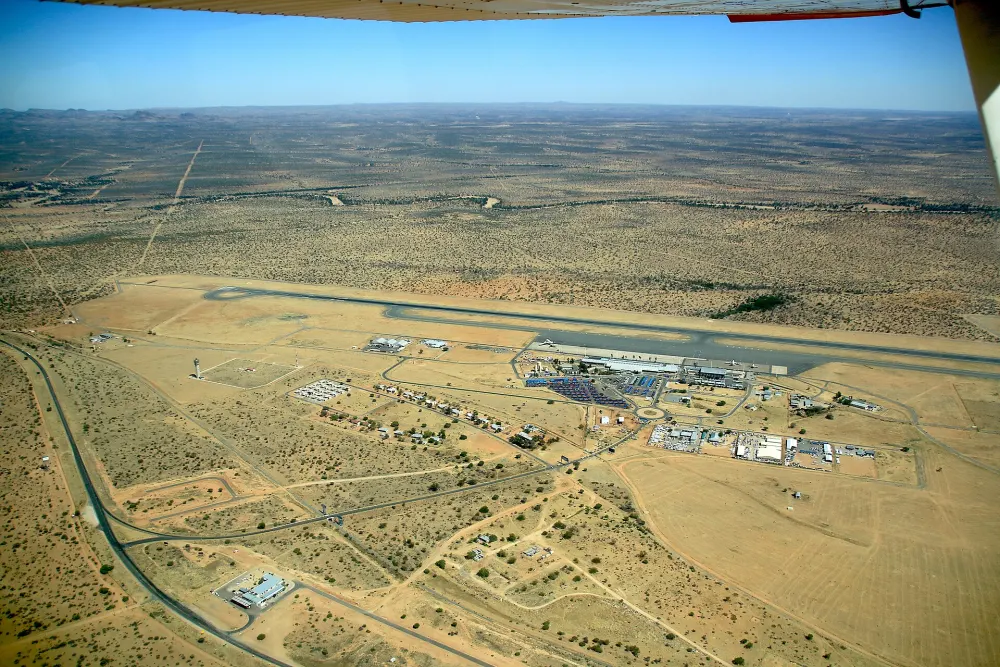
- Hosea Kutako (WDH), 45 km east on the B6
- City airport
- Eros (ERS): light aircraft and some domestic flights
- To Etosha (Anderson Gate)
- about 415 km, 4.5 hours on tar
- To Sesriem (Sossusvlei)
- about 320–350 km, 4.5–5.5 hours, partly gravel
- To Swakopmund
- 352 km, about 4 hours on tar
The centre on foot: a half-day walk
The sights are clustered on and above Independence Avenue, the main street, and can be walked in three to four hours with a coffee stop. Start on the ridge and work downhill.
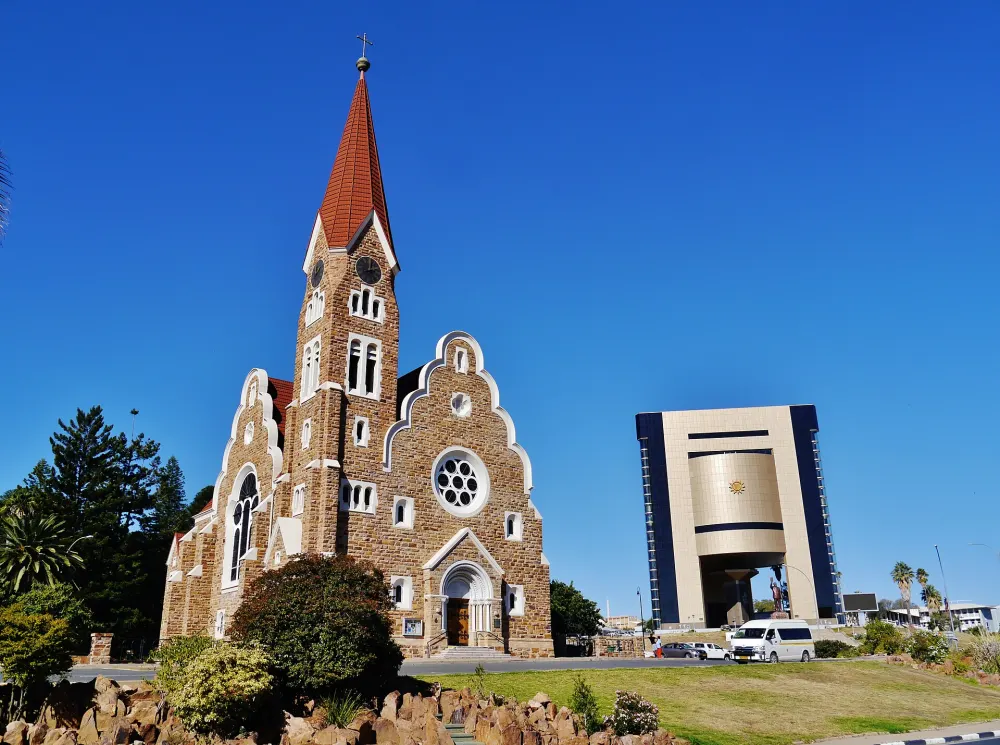
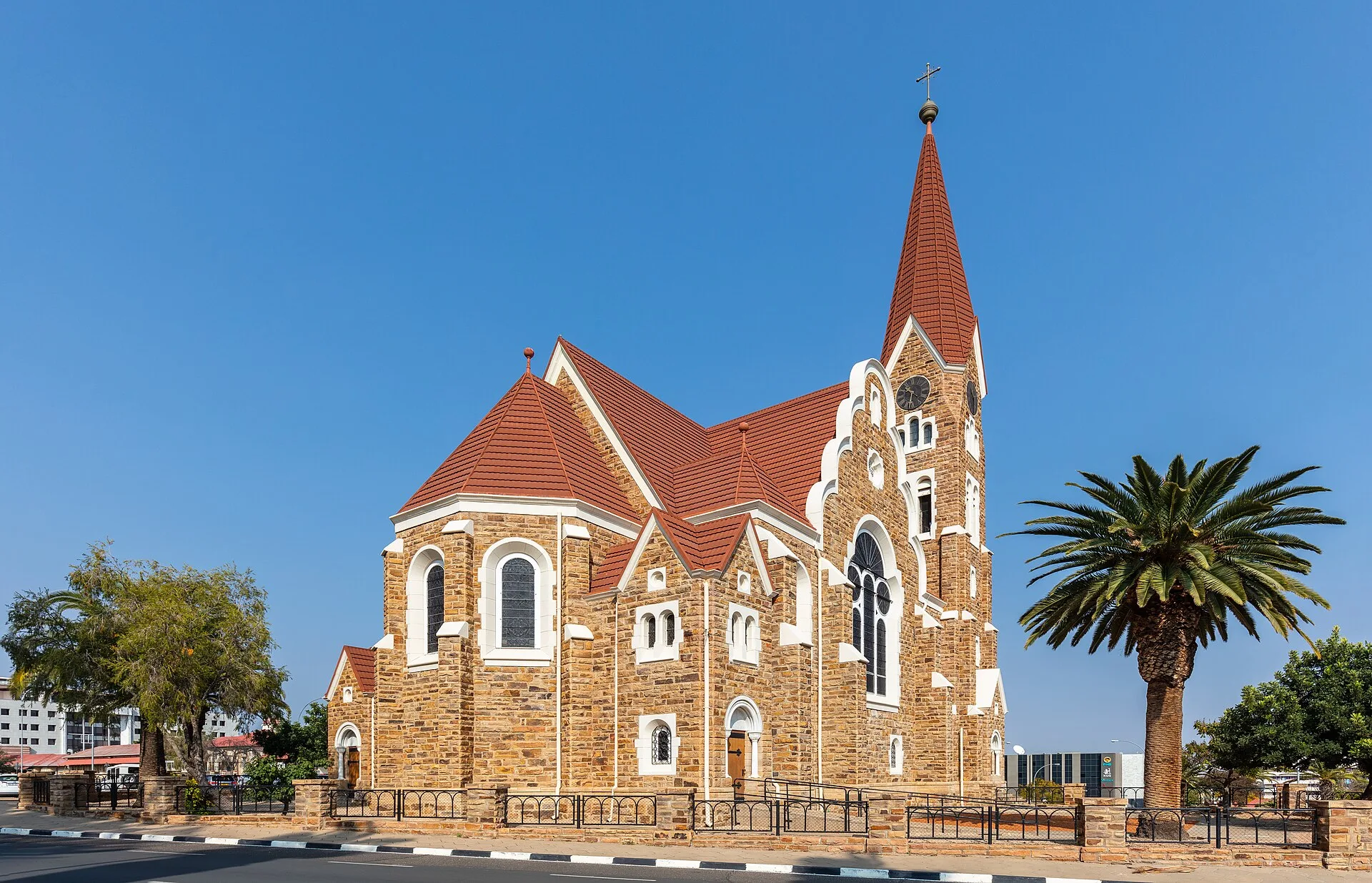
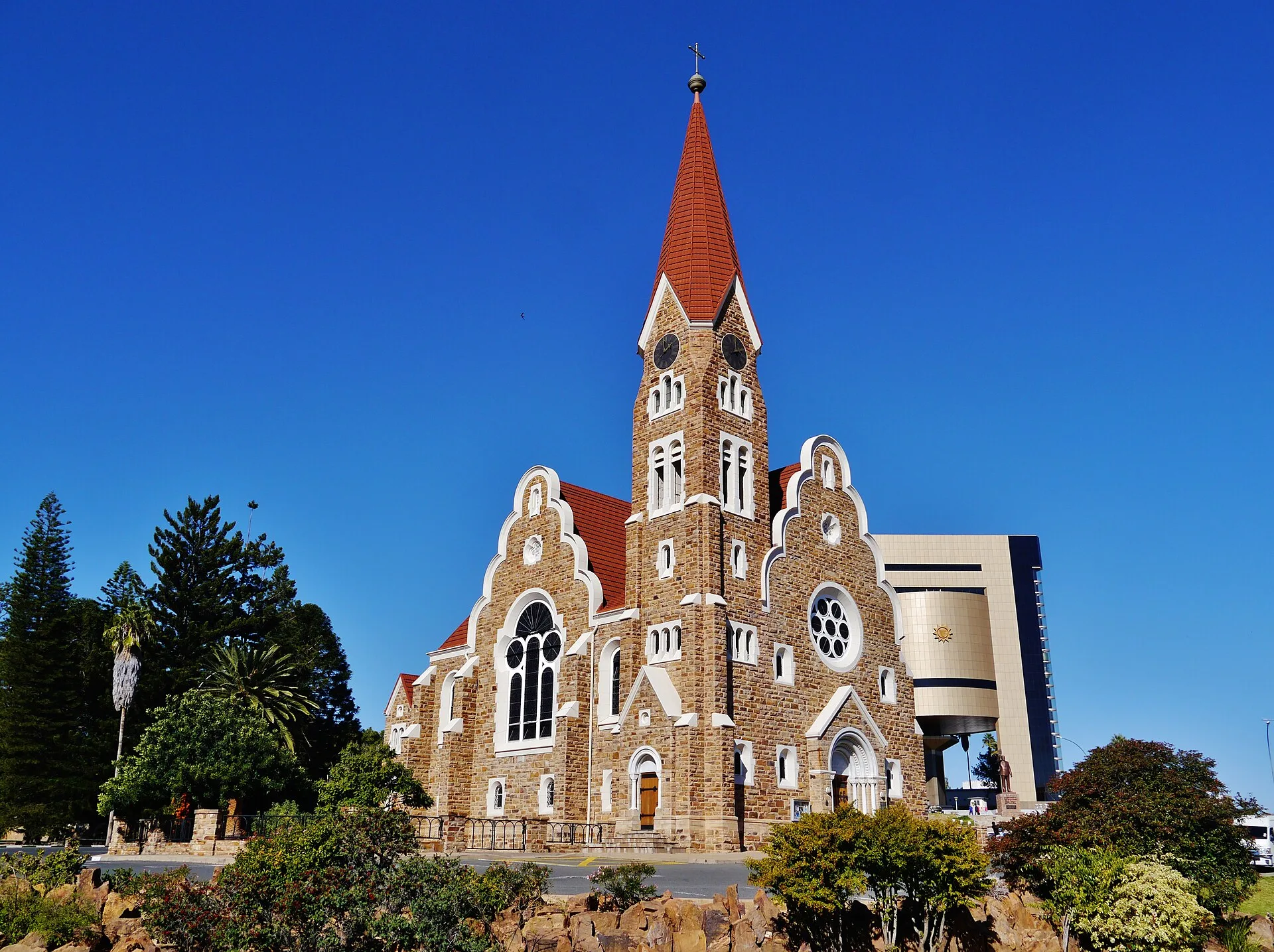
- Christuskirche. The Lutheran church on its traffic island is the city’s emblem: local quartz sandstone, a 24 m spire and a mixture of neo-Romanesque and Art Nouveau, designed by Gottlieb Redecker. The foundation stone was laid in 1907 and the church dedicated on 16 October 1910. Plaques inside commemorate only the German dead of the colonial wars. It is often locked; ask at the parish office nearby about visits.
- Independence Memorial Museum. The gold-and-glass tower next door, opened for the anniversary of independence in March 2014 and built by the North Korean firm Mansudae, tells the story of colonial rule, the genocide and the liberation struggle in huge murals and dioramas. The style is heroic and the labelling thin, but it is the national narrative in one building, entry is free, and the upper levels have the best view over the city. Listings give opening hours of about 9:00 AM–5:00 PM on weekdays and shorter hours on Saturday; it is generally closed on Sundays.
- Sam Nujoma statue and the Genocide Memorial. In front of the museum stand a statue of the founding president holding the constitution and a memorial to the victims of the 1904–08 genocide, inscribed “Their blood waters our freedom”. Until 2009 the German colonial equestrian monument, the Reiterdenkmal, stood on this spot; it was moved and then, in 2013, taken down and stored in the courtyard of the fort.
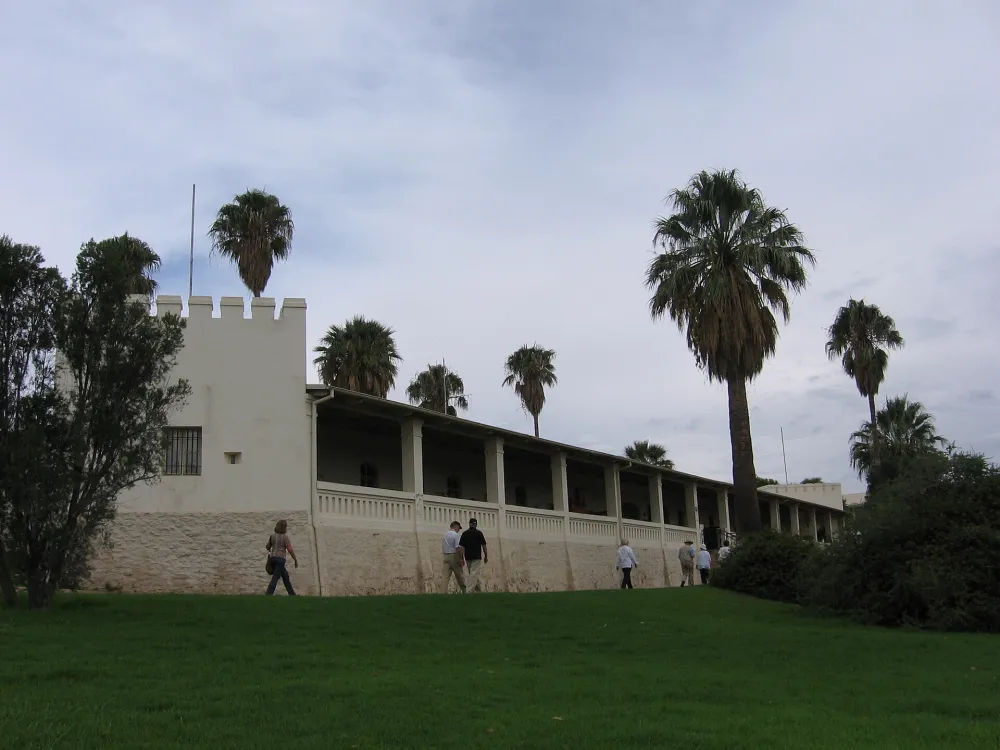
- Alte Feste. The whitewashed fort of 1890, the oldest surviving building in the city, housed the national history museum for decades. It has been closed for years awaiting renovation; you can see the exterior.
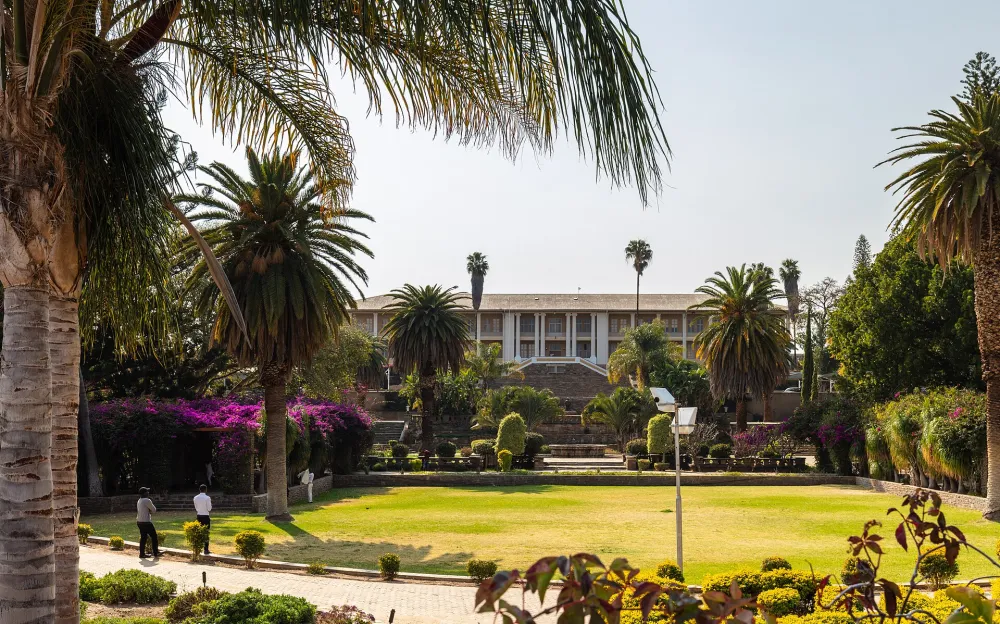
- Tintenpalast and Parliament Gardens. The “Ink Palace” (1913), built for the colonial administration and named for the ink its clerks got through, is now the seat of parliament. The terraced gardens in front are a pleasant place to sit, with statues of early nationalist leaders.
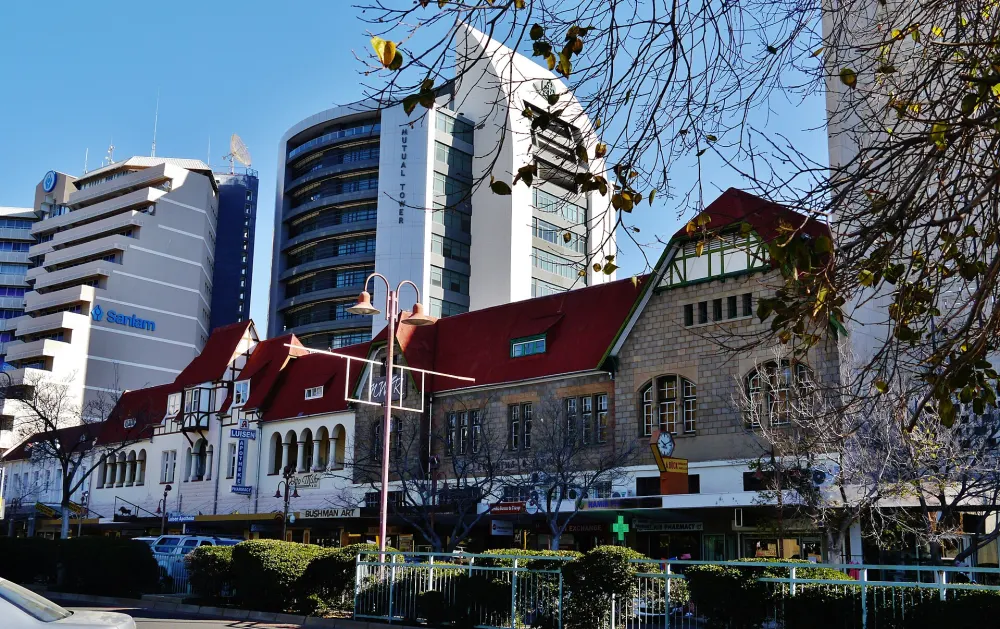
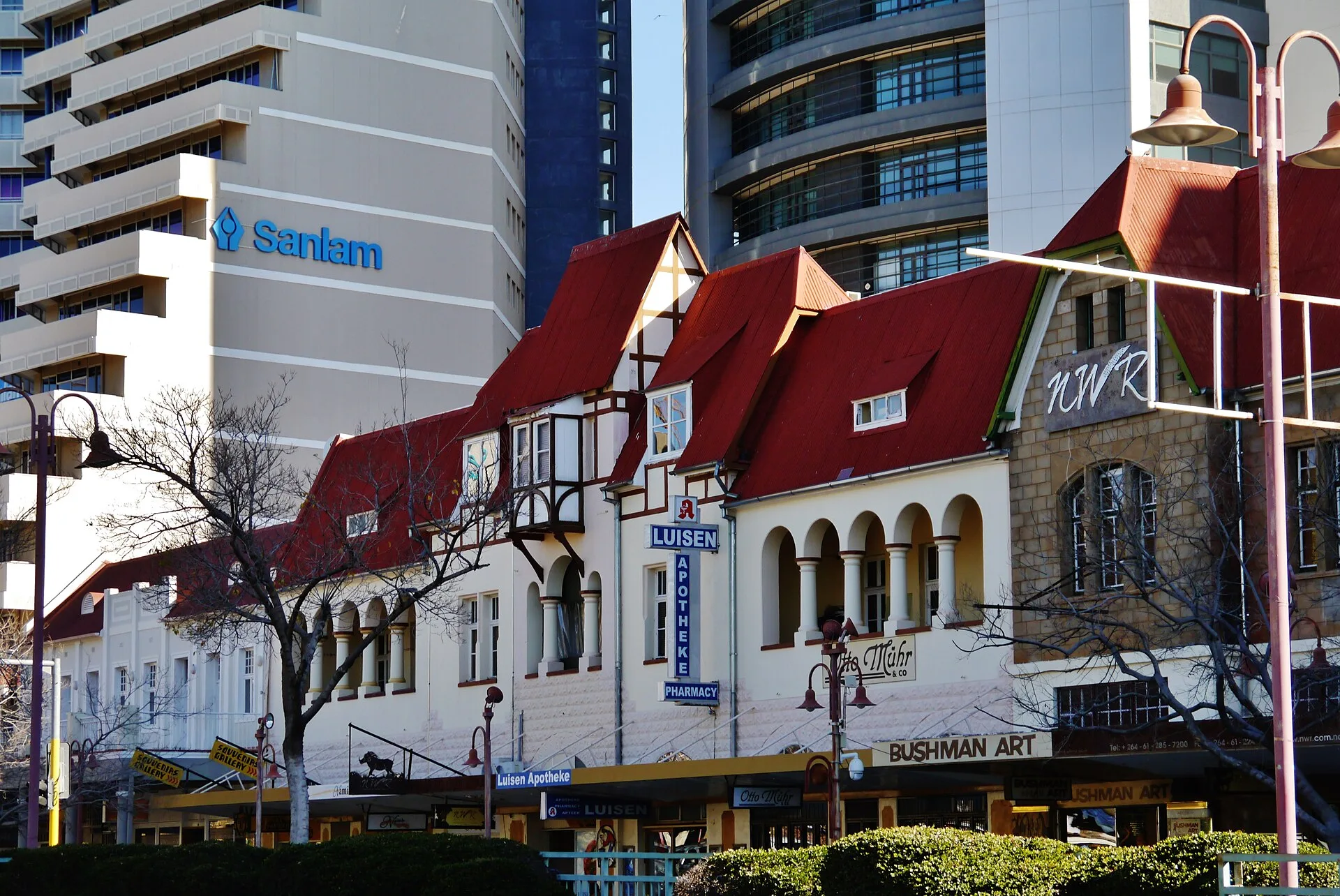
- Independence Avenue and Zoo Park. Walk down to the main street for the turn-of-the-century façades around the Gathemann building, the small park with its memorials, and street sellers of baskets and carvings.
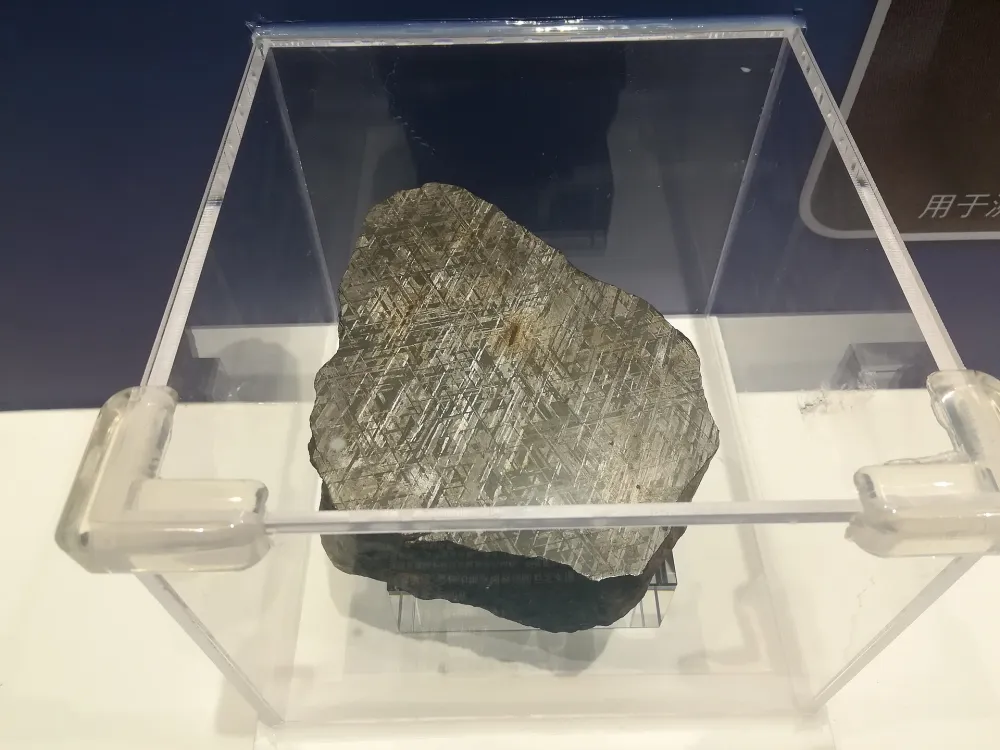
- Gibeon meteorites, Post Street Mall. Thirty-odd lumps of iron meteorite mounted on steel columns in the pedestrian mall: part of a shower that fell over southern Namibia in prehistoric times, the largest known meteorite strewn field on Earth.
- Namibia Craft Centre, Tal Street. Dozens of stalls in the old breweries building selling work from craft cooperatives across the country: Himba and San jewellery, baskets from the north, karakul wool rugs, carved makalani nuts, leatherwork. Prices are fixed and fair, there is a good café, and buying here puts money directly with the makers. The National Art Gallery is a few blocks north.
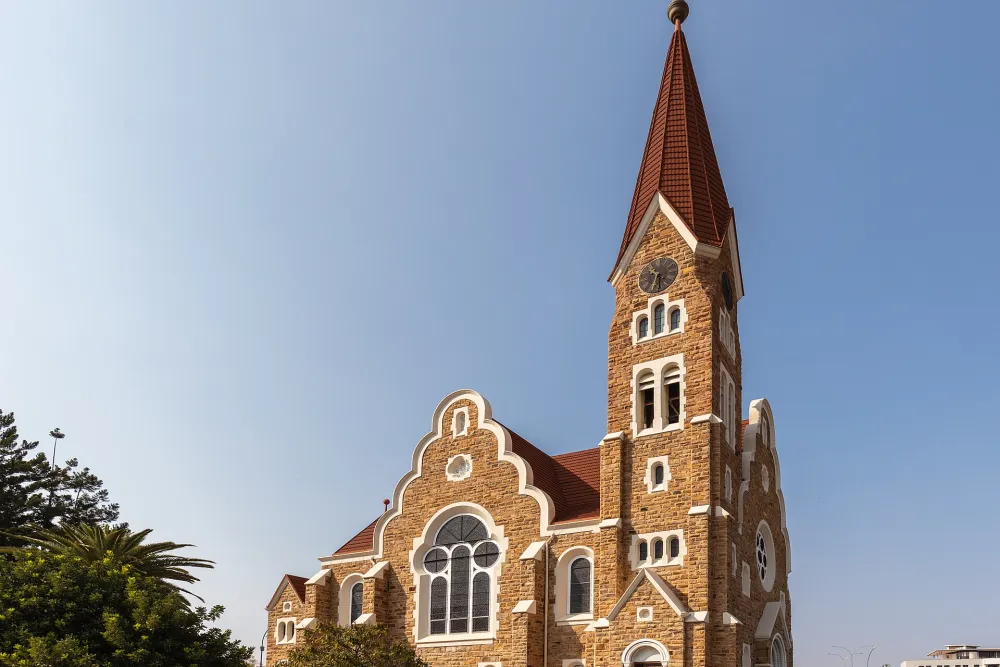
Windhoek: city and township tour
The centre’s landmarks and Katutura in one guided outing: the best single introduction to the capital.
Check availabilityBook via GetYourGuideTour listings are on GetYourGuide. Prices, dates and cancellation terms are shown live on each listing and can change; NamibiaSafaris.com may earn a commission at no extra cost to you.
Katutura: the other half of the city
Until the late 1950s Windhoek’s Black residents lived in the Old Location, close to the centre. The South African administration decided to move them to a new township further out, where they would rent rather than own. Residents protested, and on 10 December 1959 police opened fire on a crowd, killing at least eleven people; the date is now a public holiday, Human Rights Day and Namibian Women’s Day. The removals went ahead, and people named the new place Katutura, usually translated from Otjiherero as “the place where we do not want to live”.
Today Katutura and the settlements around it hold most of Windhoek’s people and much of its energy. A tour with a guide who lives there, by vehicle, bicycle or on foot, usually takes three to four hours and includes:
- the Oshetu Community Market (still known as Single Quarters), where butchers cut beef to order and grill it over open fires as kapana, eaten with your fingers with chilli-salt and a tomato-and-onion salsa, alongside stalls selling dried spinach, mopane worms and oshikundu, a fermented millet drink;
- the sections of the original township, laid out by ethnic group under apartheid, and the story of 1959;
- informal settlements such as Havana, where the city is growing fastest;
- a community project, often Penduka, a women’s craft cooperative on Goreangab Dam.
Go with a guide the first time: it is how you get the context, and how your money reaches residents. Ask before photographing people, do not hand out sweets or cash to children, and leave valuables at the hotel. Food tours and cooking classes in township homes are a good alternative for a second visit.
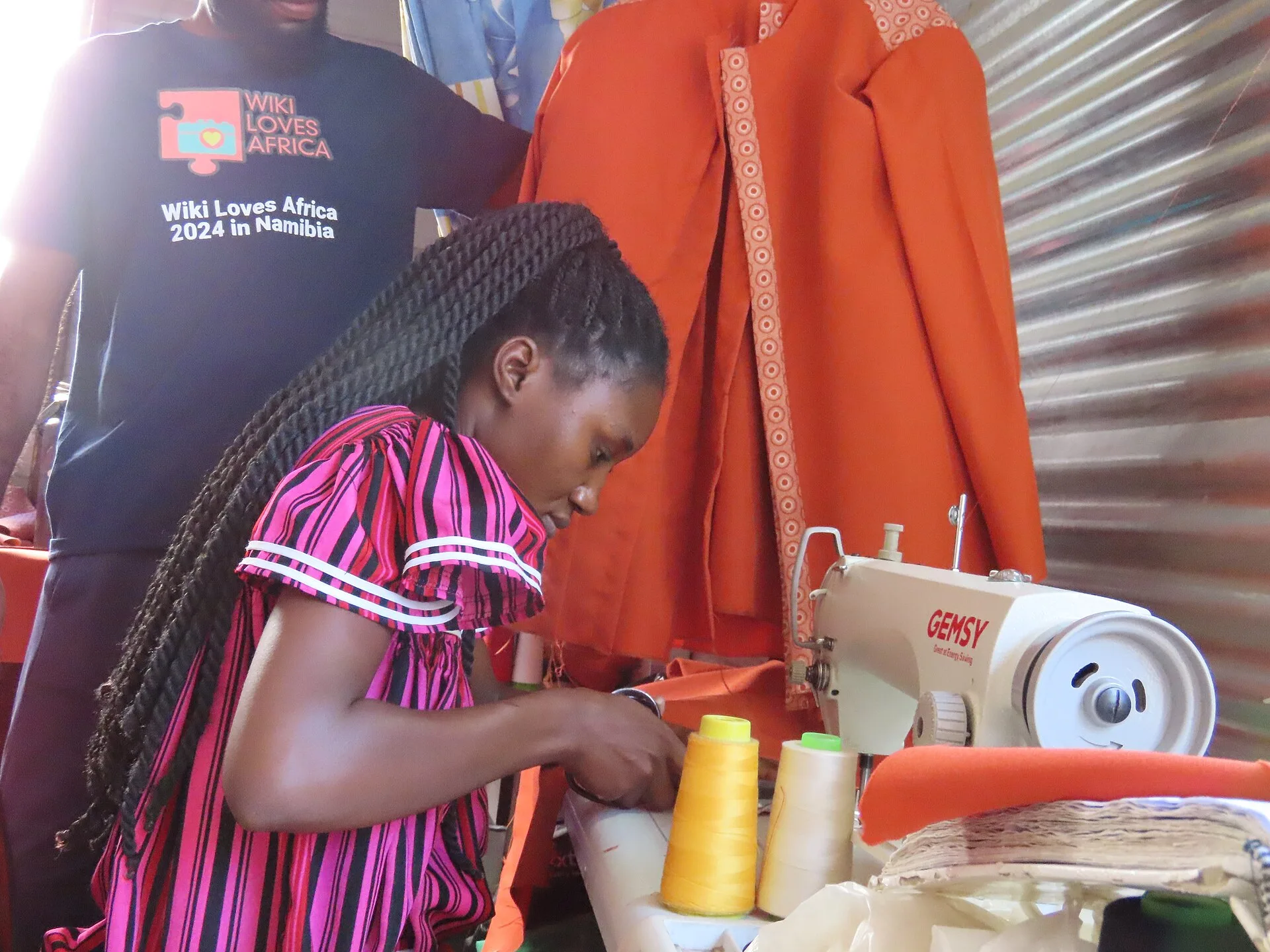
A tailor at work in a small Katutura boutique.
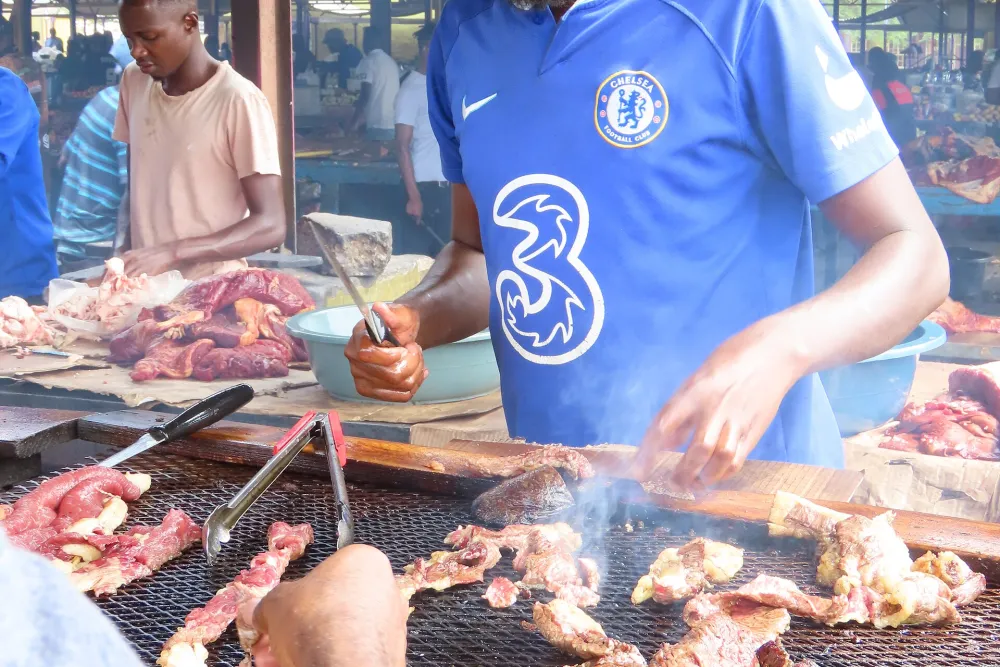
Kapana traditional food tour
Street food at the open-air market: grilled kapana beef with chilli salt and salsa, and other everyday Namibian dishes.
Check availabilityBook via GetYourGuideTour listings are on GetYourGuide. Prices, dates and cancellation terms are shown live on each listing and can change; NamibiaSafaris.com may earn a commission at no extra cost to you.
Staying safe
Windhoek is calmer than most African capitals, and violent crime against visitors is uncommon. Opportunistic theft is not. The usual pattern is a snatched phone or bag in the centre, a distraction scam at an ATM or car park, or a smashed window for something left on a seat.
- By day, walk freely in the centre and the main malls; carry little, keep your phone out of your back pocket and your bag closed in front of you.
- After dark, do not walk, even a few blocks. Have the restaurant or hotel call a registered taxi or use a ride-hailing app; agree the fare first with street taxis.
- In the car, keep doors locked and windows up at traffic lights, put everything in the boot before you arrive somewhere (not after you park), and use guarded car parks. A fully loaded safari vehicle is a target: do not leave it on the street overnight.
- At ATMs, use machines inside banks or malls and refuse all offers of help.
- Car guards in yellow or orange vests watch parked cars in most streets; a tip of a few dollars when you return is customary.
- Carry a copy of your passport and leave the original in the room safe.
Emergency numbers and wider advice are in health and safety.
Where to eat and drink
Windhoek eats well, with a strong lean towards meat. Game is on most menus: oryx, kudu and springbok as steaks, carpaccio or in a potjie stew, usually farmed or sustainably hunted and very lean. Beef is excellent. German influence shows in the bakeries, the sausages and above all the beer, brewed in the city to the Reinheitsgebot.
- Joe’s Beerhouse (160 Nelson Mandela Avenue) is the institution every visitor ends up at: a rambling, thatched beer garden hung with farm junk and old Jägermeister bottles, serving game skewers, eisbein and bush-themed platters to long shared tables. It is touristy, loud and fun; book ahead in high season.
- The Stellenbosch Wine Bar and Bistro, in the Bougain Villas centre on Sam Nujoma Drive, is the long-standing choice for a quieter dinner with South African wines.
- The Namibia Craft Centre café is the best central lunch stop.
- Kapana at the Oshetu market is the essential street food; go at midday with a guide or a local.
- Hotel restaurants on the hills, including the terrace at the Heinitzburg, are where to go for a sunset drink with a view over the city.
Restaurants come and go; check current hours and book for Friday and Saturday evenings. Tap water in Windhoek is treated and safe to drink. More on Namibian dishes in food in Namibia.
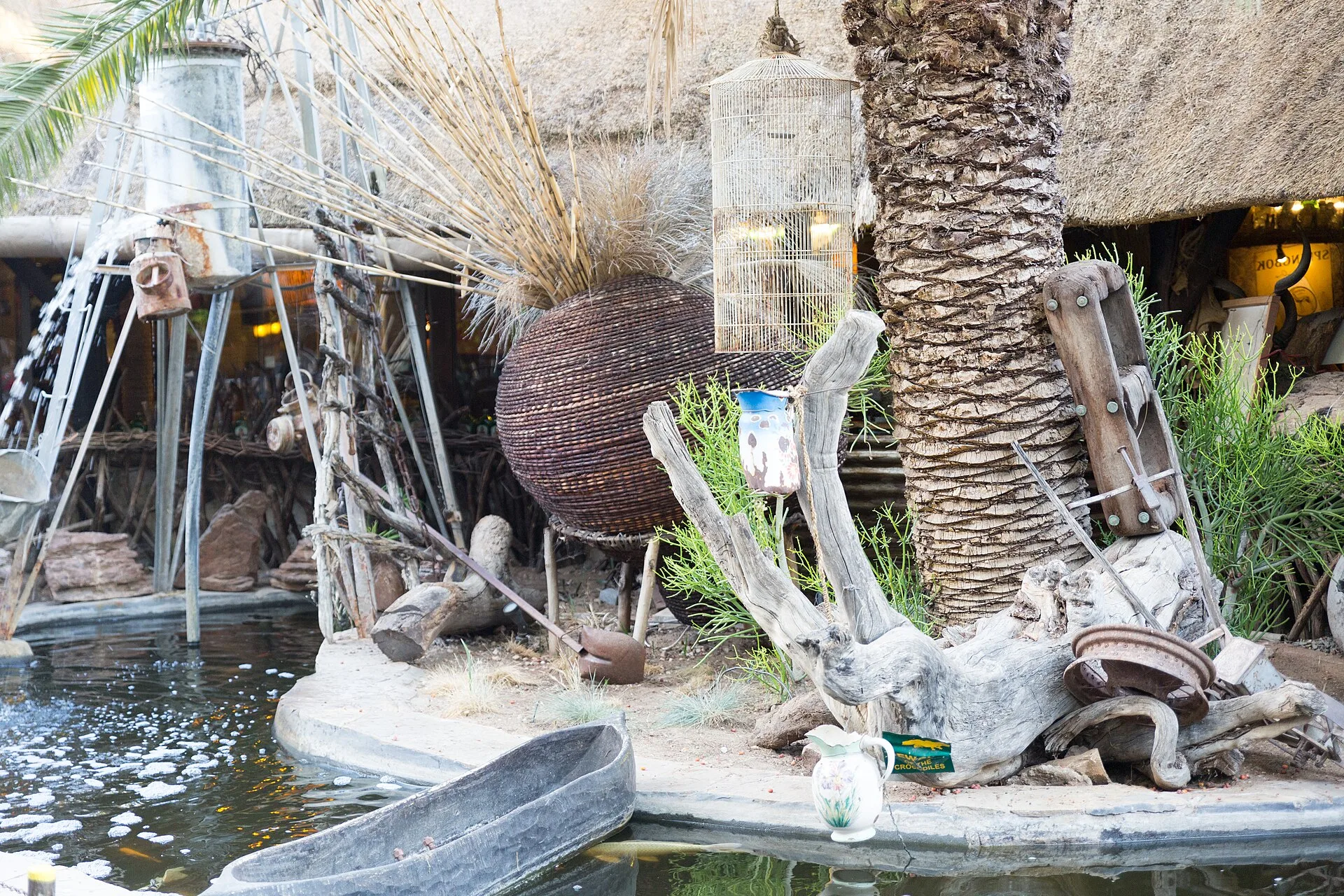
Joe’s Beerhouse, Windhoek’s best-known restaurant.
Wildlife and day trips near the city
If your itinerary has a spare half day in Windhoek, or does not reach Etosha at all, the farms and reserves around the city fill the gap. None of them is a wilderness, but all offer real animals in real bush.
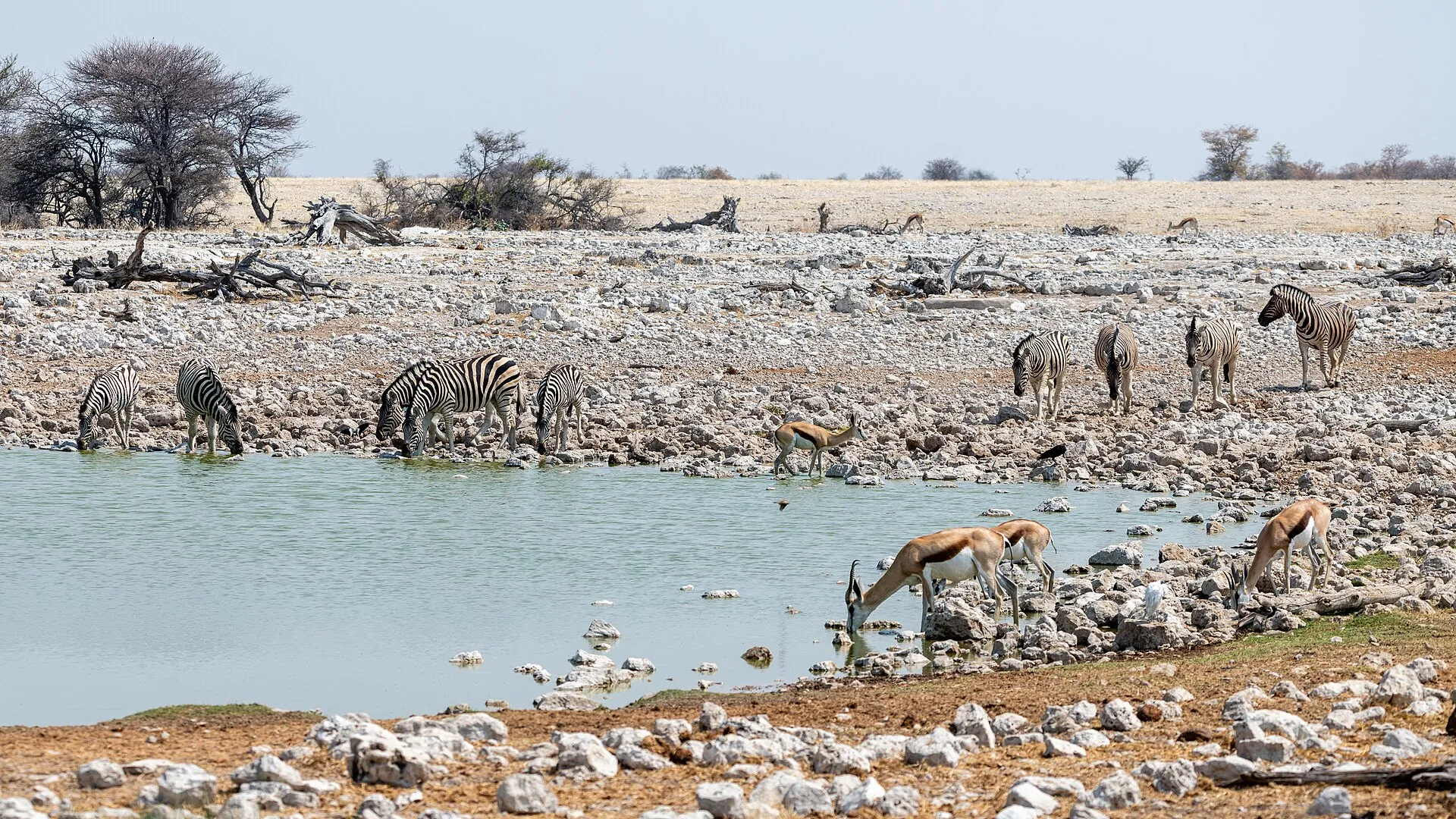
- Daan Viljoen Game Park (about 25 km west). A small state reserve in the Khomas Hochland hills with no dangerous game, so you can walk: marked trails, mountain zebra, kudu, oryx, wildebeest, giraffe and over 200 bird species. Park fee from 1 April 2026: N$200 per foreign adult per day.
- Okapuka (about 30 km north on the B1). A private ranch with game drives among giraffe and antelope, and guided white rhino tracking on foot.
- Düsternbrook (about 50 km north). One of Namibia’s oldest guest farms, with scenic game drives through hilly country along a dry river.
- N/a’an ku sê and the Zannier Reserve (about 45 km east, near the airport). A wildlife sanctuary and conservation foundation that takes in orphaned and conflict animals; visits explain carnivore conservation on farmland, and the neighbouring reserve runs game drives. Convenient before an evening flight.
- Hikes and rides. Guided walks in the hills on the edge of the city, horse rides and e-bike tours through the rural settlements north of town.
- Heroes’ Acre (10 km south on the B1). The national war memorial of 2002: an obelisk, an unknown soldier and terraces of graves on a hillside, with a wide view back to the city.
Be clear-eyed about activities that involve touching or walking with predators. Reputable sanctuaries do not breed big cats for handling; ask what happens to the animals and where they came from before you book. For proper safaris, see how a Namibia safari works and Etosha.
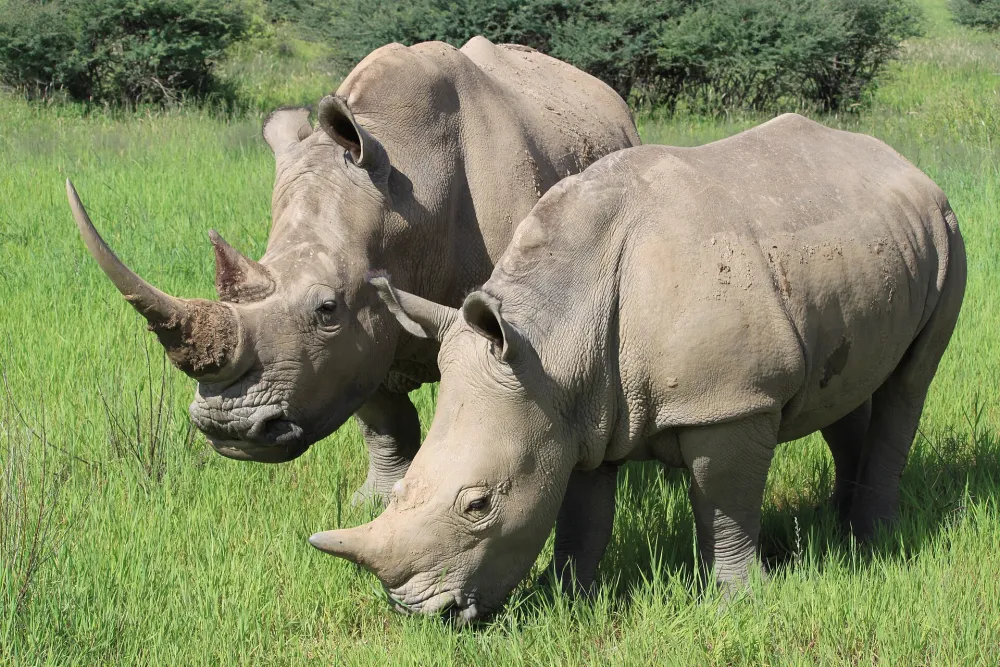
Windhoek: Okapuka game ranch guided tour
A game drive on a private ranch about half an hour north of the city: giraffe, antelope and more.
Check availabilityBook via GetYourGuide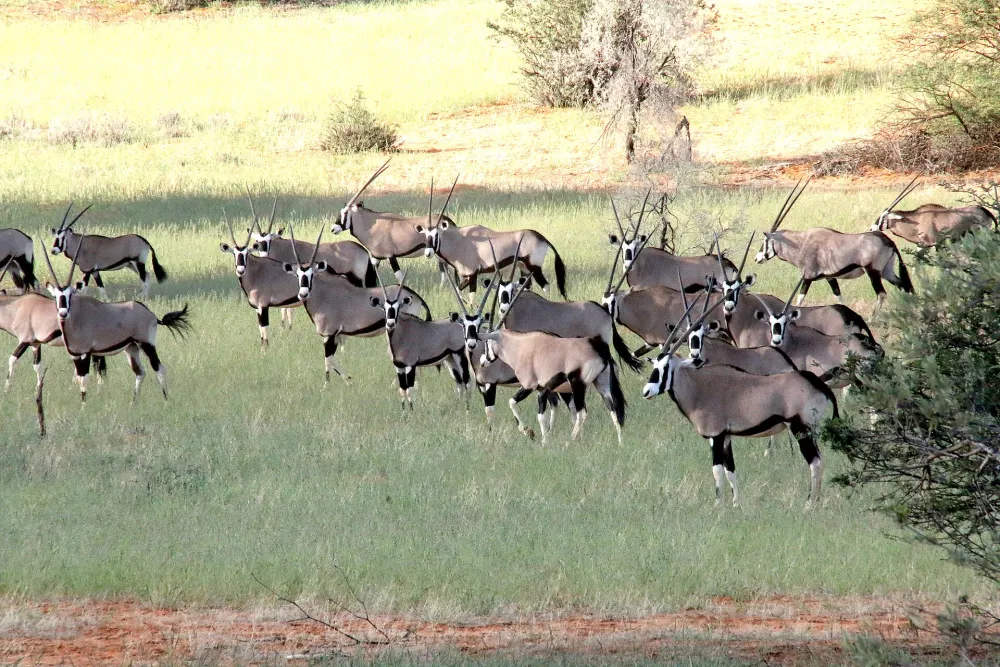
Windhoek: Düsternbrook scenic game drive
A game drive through the hilly bush of one of Namibia’s oldest guest farms, north of Windhoek.
Check availabilityBook via GetYourGuide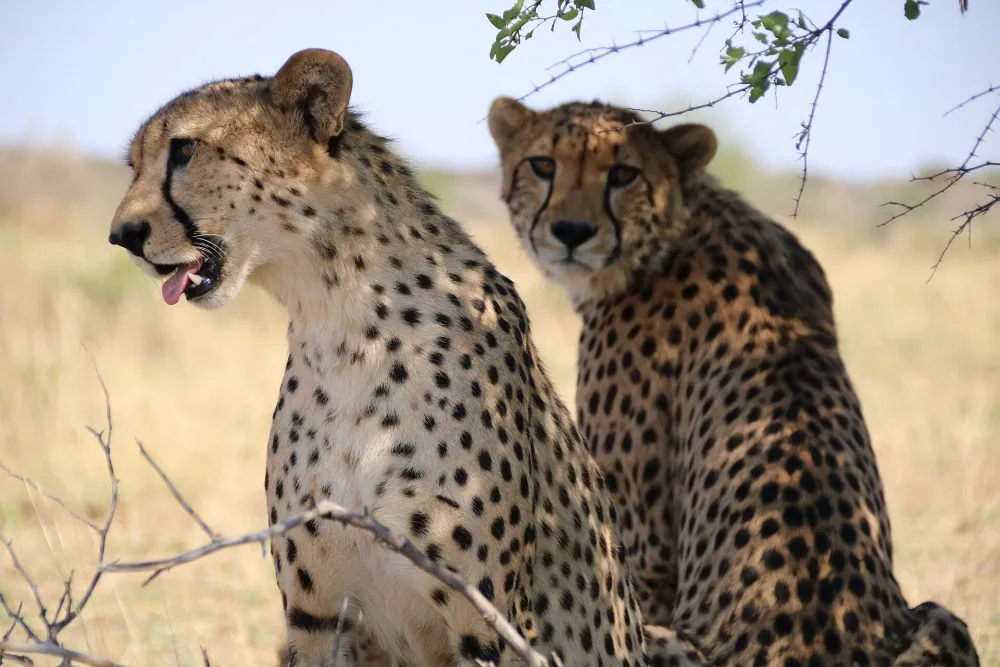
N/a’an ku sê: a feeding day tour
A visit to the wildlife sanctuary east of Windhoek during carnivore feeding, with an introduction to its conservation work.
Check availabilityBook via GetYourGuide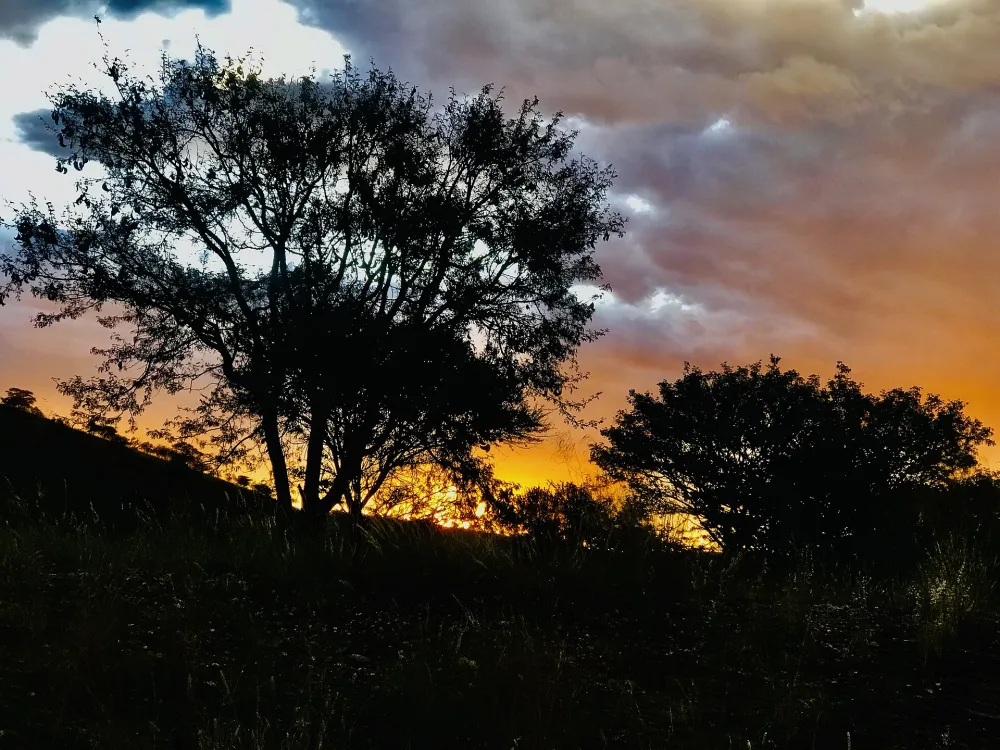
Windhoek: Zannier Reserve sunset safari with snacks
A late-afternoon game drive on the private reserve near the airport road, ending with drinks at sunset.
Check availabilityBook via GetYourGuide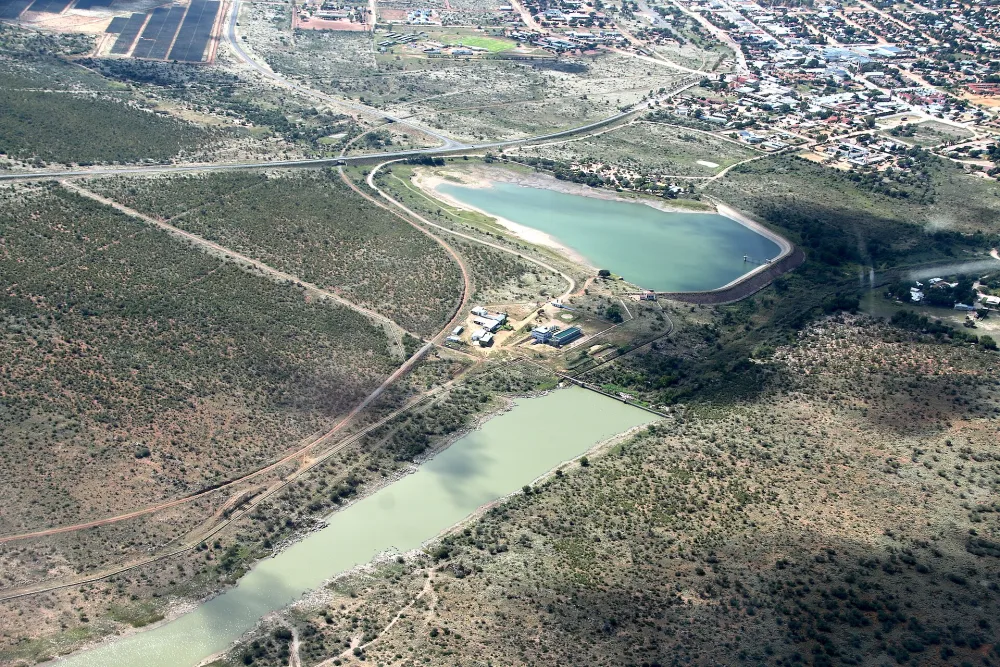
Windhoek: mountain hike with hotel pick-up and lunch
A guided walk in the hills around the city, with transfers and lunch.
Check availabilityBook via GetYourGuideTour listings are on GetYourGuide. Prices, dates and cancellation terms are shown live on each listing and can change; NamibiaSafaris.com may earn a commission at no extra cost to you.
Airport, transfers and getting around
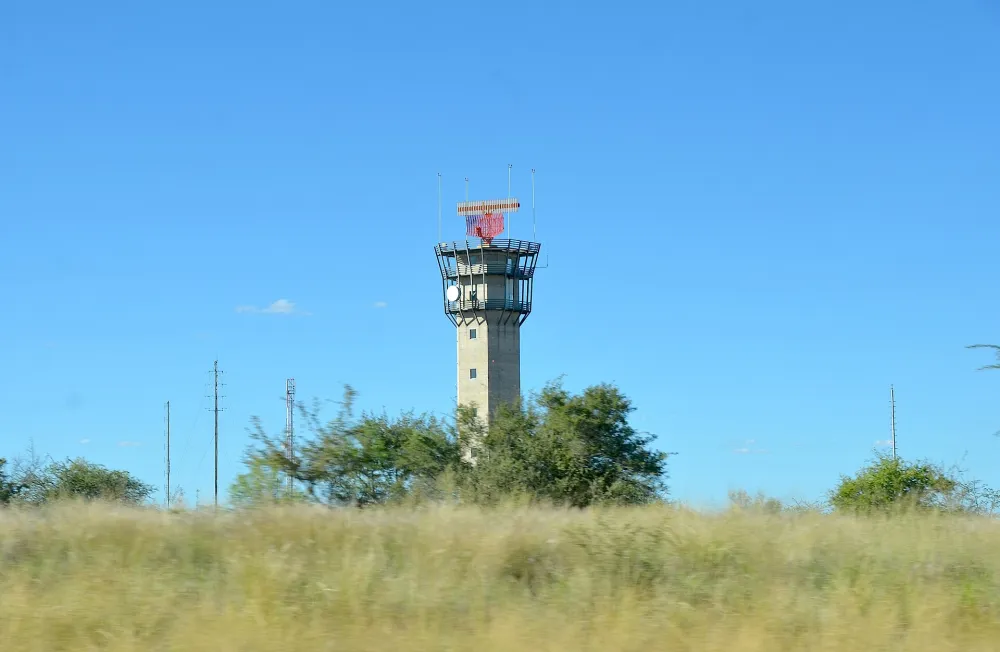
- Hosea Kutako International Airport (WDH) is 45 km east of the centre on the B6, a good tarred road through open ranchland; allow 40–45 minutes. Warthogs, baboons and kudu graze the verges, and the road is unlit: drive it slowly at dawn and dusk.
- Transfers. Pre-booked shuttles and hotel transfers meet flights; metered or fixed-price taxis wait outside. There is no rail link or public bus. Booking a shuttle in advance costs little more than a taxi and saves negotiating after a long flight.
- Car hire. The big companies have desks at the airport; 4x4 specialists with camping equipment mostly hand over at their own depots in town and collect you from the airport or hotel. Handover of an equipped 4x4 takes one to two hours.
- Eros Airport, on the southern edge of the city, handles charter and fly-in safari flights and some domestic services. Check which airport your flight uses.
- In town. The centre is walkable by day. For anything else use booked taxis or ride-hailing; shared street taxis are cheap but confusing for newcomers.
- Stocking up. Large supermarkets, pharmacies, camping shops and mobile-network stores are in the Maerua and Grove malls, both with secure parking. Buy your SIM card, water containers and a cool-box here, not on the road.
Airlines and routes are covered in getting to Namibia; vehicles, insurance and gravel driving in self-drive.
Hosea Kutako International Airport shuttle
A pre-booked transfer between the airport and Windhoek, 45 km apart.
Check availabilityBook via GetYourGuideTour listings are on GetYourGuide. Prices, dates and cancellation terms are shown live on each listing and can change; NamibiaSafaris.com may earn a commission at no extra cost to you.
Where to stay in Windhoek
Pick by what you need from the night. Before a road trip, secure parking and an early breakfast matter more than a view. After one, a pool and a good dinner on site are worth paying for.
- Guesthouses in Klein Windhoek and Eros, the leafy suburbs east and north of the centre, are the classic choice: Olive Grove Guesthouse has a pool and its own restaurant, and Kuiseb House is a small, highly rated house with a pool.
- On the hill: Heinitzburg Boutique Hotel, a castle of 1914 above the city, has a restaurant and terrace with the best sunset view in town; Gondwana The Weinberg Windhoek is a modern hotel with its own restaurant and fitness centre in Klein Windhoek.
- In the centre: Hilton Windhoek is the main business hotel, with a pool, a fitness centre and several restaurants, a few minutes’ walk from the Christuskirche.
- For self-drivers and budgets: Arebbusch Travel Lodge, on the southern side of the city towards the B1, is a large travel lodge with two pools and two restaurants, well placed for an early start south.
For a first night after a late arrival, some travellers prefer a lodge near the airport or on the eastern edge of the city to avoid driving in after dark; River Crossing Lodge, on the eastern side of the city, is one such option.
Olive Grove Guesthouse
WindhoekA small guesthouse five minutes’ drive from the centre of Windhoek, with a plunge pool, a restaurant, free parking and an airport shuttle.
9.2Booking.com guest score · as checked in November 2026
See on Booking.comKuiseb House
WindhoekSmall guesthouse with a pool on Kuiseb Street.
9.5Booking.com guest score · as checked in November 2026
See on Booking.comHeinitzburg Boutique Hotel
WindhoekCastle hotel on the hill above the city with two pools and a restaurant.
8.9Booking.com guest score · as checked in November 2026
See on Booking.comGondwana The Weinberg Windhoek
WindhoekModern hotel in Klein Windhoek with restaurant, bar and fitness centre.
9.1Booking.com guest score · as checked in November 2026
See on Booking.comHilton Windhoek
WindhoekCentral business hotel with pool, fitness centre and four restaurants.
7.6Booking.com guest score · as checked in November 2026
See on Booking.comArebbusch Travel Lodge
WindhoekIn large grounds by the dry Arebbusch River, 5 km from central Windhoek: two pools, two restaurants, free parking by the rooms and an airport shuttle.
8.7Booking.com guest score · as checked in November 2026
See on Booking.comRiver Crossing Lodge
WindhoekLodge on the eastern side of Windhoek with pool, restaurant and bar.
8.8Booking.com guest score · as checked in November 2026
See on Booking.comSee all stays in Windhoek on Booking.com
Accommodation links go to Booking.com, where you see live prices and availability. We do not list prices because they change daily; NamibiaSafaris.com may earn a commission.
When to be here
The plateau climate is kind. May to September is dry and sunny with daytime temperatures around 20–25 °C and nights that fall to freezing in June and July; bring warm clothes for mornings and evenings. October to April is hot, 30 °C and more, with thunderstorms on summer afternoons, mostly between January and March. The city is quietest, and some restaurants close, between mid-December and mid-January, when half of Windhoek goes to the coast.
On Sundays and public holidays most shops, museums and many restaurants are shut; plan your sightseeing day for a weekday or Saturday morning if you can.
Frequently asked questions
Is Windhoek worth visiting?
For a day, yes. The centre is compact and interesting, a Katutura tour adds real understanding of the country, and you need to be here anyway for flights and vehicles. Few visitors need more than one full day.
Is Windhoek safe for tourists?
By the standards of the region, yes. Petty theft, bag-snatching and car break-ins are the main problems. Walk in the centre by day, take taxis at night, keep valuables out of sight and do not leave luggage in a parked car.
How far is the airport from Windhoek?
Hosea Kutako International Airport is 45 km east of the city centre, about 40 to 45 minutes by road. Book a shuttle or hotel transfer in advance, or take a taxi from the rank outside arrivals.
Should you spend the first night in Windhoek?
Yes, unless you land early in the morning well rested and your first stop is close. Collecting a vehicle, shopping and adjusting takes several hours, and you should not drive in the dark.
Can you see wildlife near Windhoek?
Yes. Daan Viljoen Game Park and private reserves such as Okapuka, Düsternbrook and the Zannier Reserve by N/a’an ku sê are all within an hour and offer walks, game drives or rhino tracking as half-day trips.
What does Katutura mean?
The name is Otjiherero and is usually translated as “the place where we do not want to live”. It was given by residents forcibly moved there from the Old Location around 1959–61.
Is the tap water safe to drink in Windhoek?
Yes. Windhoek’s municipal water is treated to drinking standard; the city is known for pioneering the direct reclamation of drinking water.
Sources and official information
Facts were checked against these official sources in November 2026. Park fees, gate times, visa rules and timetables change, so confirm before you go.
- nsa.org.na
- airports.com.na
- windhoekcc.org.na
- museums.com.na
- namibiacraftcentre.com
- joesbeerhouse.com
- thestellenboschwinebar.com
- lac.org.na
- en.wikipedia.org
- en.wikipedia.org
- en.wikipedia.org
- en.wikipedia.org
- en.wikipedia.org
NamibiaSafaris.com is an independent guide, not the official site of any tour operator, lodge, Namibia Wildlife Resorts or the Namibian government. Some links are affiliate links: tours go to GetYourGuide and accommodation goes to Booking.com, and we may earn a commission at no extra cost to you.