In short
- Visa: most European, North American and Australasian passports have needed one since 1 April 2025 — N$1,600, online or on arrival.
- When: May to October for wildlife; the green season for landscapes, birds and lower prices.
- How long: ten days minimum for the classic loop, fourteen to do it comfortably.
- How: drive yourself, join a small-group safari, or fly between lodges — all three work.
- Safety: a safe country whose main hazard is the gravel road.
Before you go
Do I need a visa? If you hold a passport from the UK, the USA, Canada, Australia, New Zealand, Japan or most European countries, yes, since 1 April 2025. Apply online through the ministry’s portal or on arrival at the main airports and borders; the published fee is N$1,600 per adult. South Africans and citizens of about twenty other countries are exempt. Full lists and steps: visa guide.
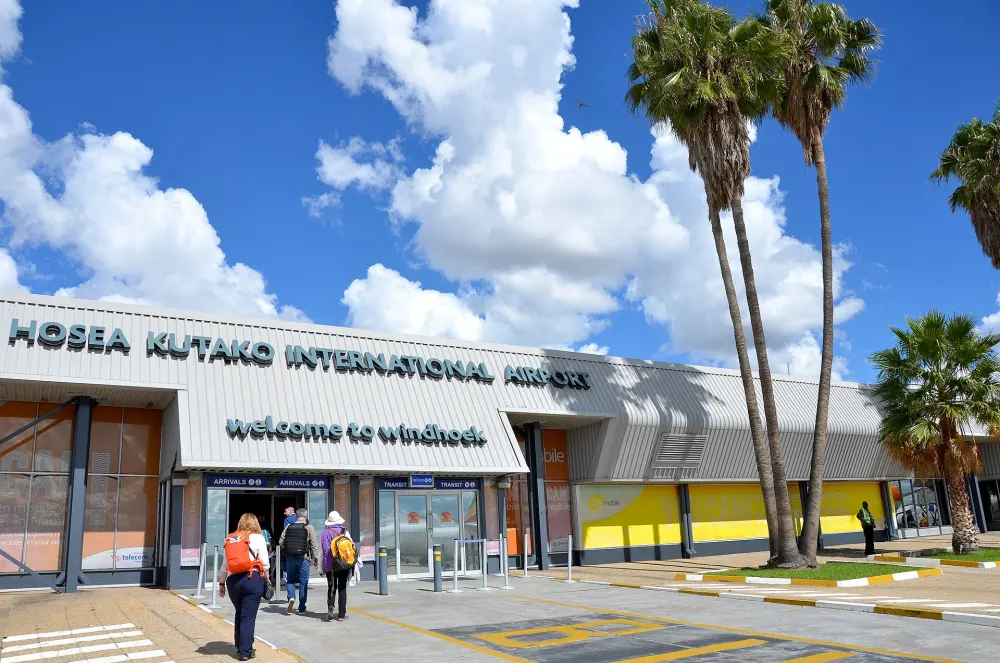
How do I get there? Fly to Windhoek non-stop from Frankfurt, Munich or (seasonally) Zurich, or connect through Johannesburg, Cape Town or Addis Ababa. Walvis Bay has flights from Johannesburg and Cape Town. See getting there.
When is the best time? June to October for wildlife at Etosha’s waterholes; May, June and September for the best balance of weather, wildlife and visitor numbers. See best time to visit.
How many days do I need? Seven for the desert and coast or for Etosha; ten for the classic loop; fourteen to enjoy it; twenty-one to add the south or the Zambezi Region. See itineraries.
What vaccinations do I need? None is compulsory unless you arrive from a yellow fever risk country. Hepatitis A, tetanus and typhoid are usually advised. See health and safety.
Choosing how to travel
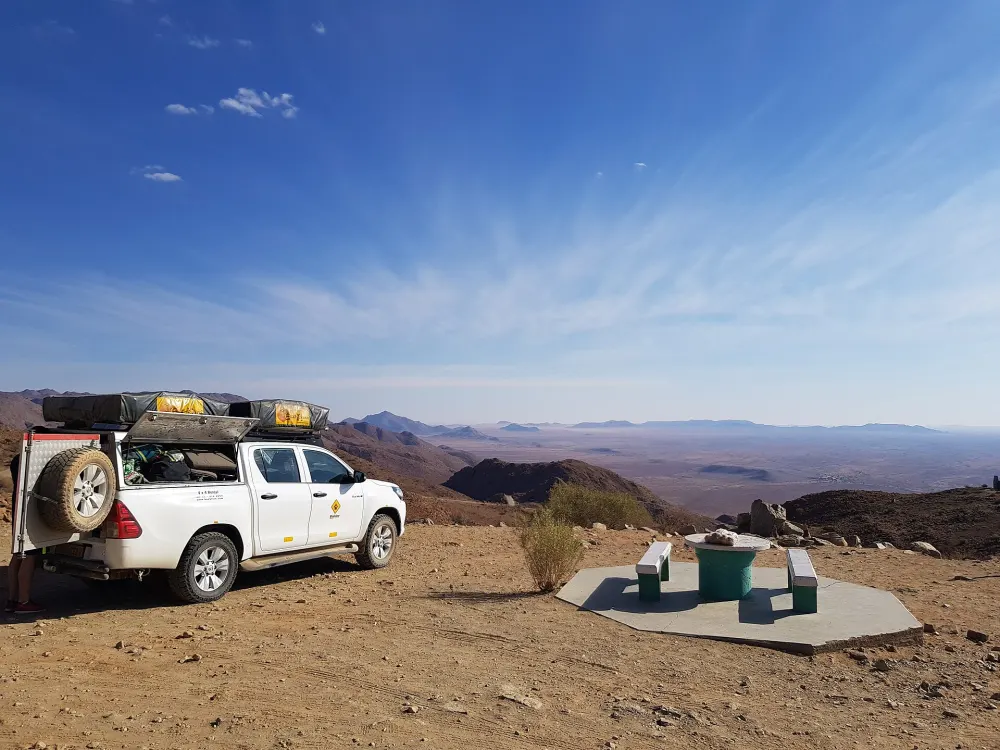
Self-drive or guided? Self-drive suits confident drivers who like independence and is the most economical way for two or more people to travel for ten days or longer. A guided small-group safari suits solo travellers, non-drivers and short trips, and brings a guide’s eyes. A private guide or fly-in safari buys time and access to remote areas. The trade-offs are set out in how a Namibia safari works.
Do I need a 4x4? Not for the main loop in the dry season; a high-clearance SUV is enough, with the park shuttle for the last 5 km to Deadvlei. You do need one for Kaokoland, Khaudum and the Zambezi parks. See the self-drive guide.
Is driving difficult? The tar roads are easy. Gravel requires restraint: 80 km/h at most, daylight only. Most serious accidents involving visitors are single-vehicle rollovers.
Can I visit without a car at all? Yes. Three-day guided trips run from Windhoek to Etosha and to Sossusvlei, and day tours cover the coast from Swakopmund and Walvis Bay. See tours.
Lodges or camping? Both are well developed and can be mixed. See accommodation and camping.
Wildlife
Will I see the Big Five? Four of them — elephant, lion, leopard and rhino — live in Etosha, though leopard takes luck. Buffalo are absent from Etosha and found only in the Waterberg and the Zambezi Region. Namibia’s specialities are black rhino, cheetah and desert-adapted elephants. See the Big Five in Namibia.
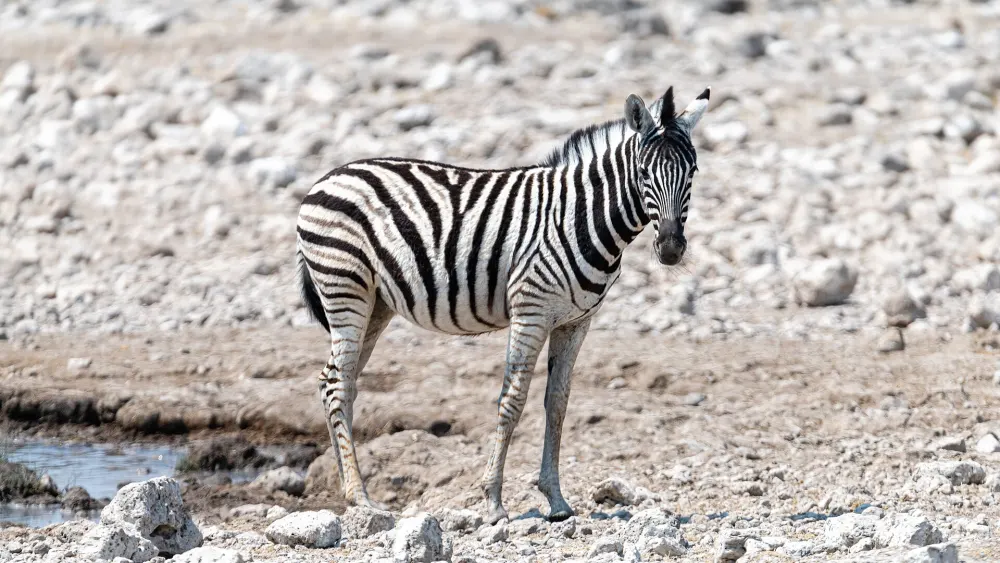
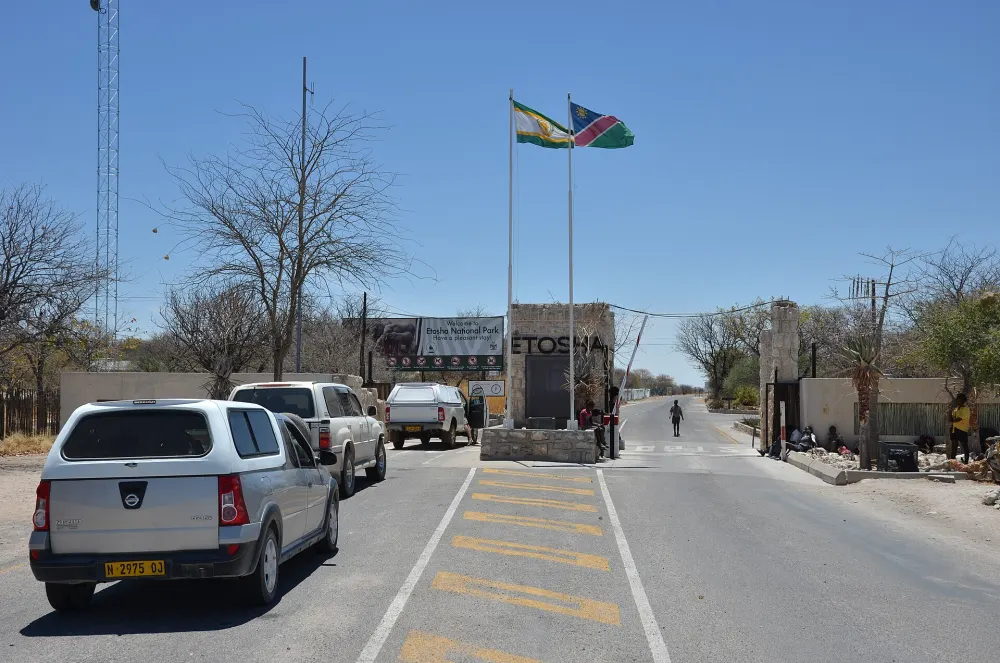
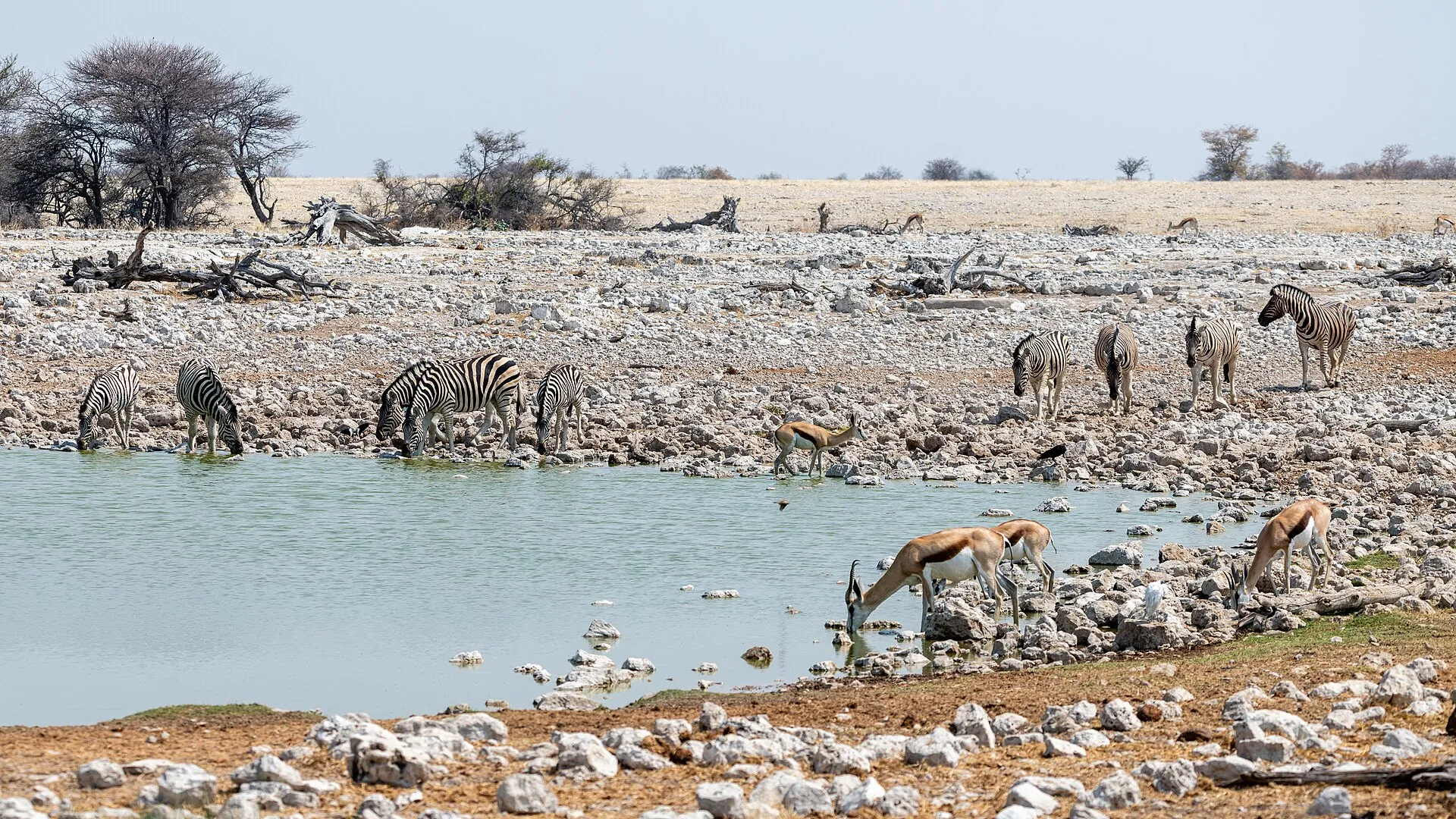
How does Etosha compare with the Serengeti or Kruger? Fewer animals overall and no migration, but in the dry season the waterholes concentrate what there is into scenes of great intensity, in a stark white landscape, with far fewer vehicles. See Etosha National Park.
Where are the desert elephants? In the dry riverbeds of Damaraland and Kaokoland — the Huab, Aba-Huab, Ugab, Hoanib and Hoarusib. Go with a local guide.
Are there animals at Sossusvlei? Gemsbok, springbok, ostrich, jackals and many smaller desert specialists, but you go for the dunes, not the game. See wildlife for what lives where.
Health, safety and comfort
Is Namibia safe? Yes. Take normal city precautions in Windhoek, and treat the road and the heat with respect.
Is there malaria? In the far north. The Kavango and Zambezi regions are high risk all year; the regions around Etosha are high risk from December to April and low from May to November according to UK guidance; Windhoek, the coast, the Namib and the south are very low risk. Ask a travel clinic about your route and dates.
Is Namibia suitable for children? Very, for families who do not mind time in the car: most of the classic loop is low-risk for malaria, camps are fenced, and waterholes hold children’s attention. See family safaris.
Can I drink the water? Generally yes in towns and at lodges; ask where the supply is a borehole or river.
How hot or cold will it be? Winter days are 20–25 °C with nights near freezing; summer days are 30–40 °C. The coast is cool all year. See the packing list.
Money and practicalities
What does it cost? Fixed costs are modest: N$280 per person per day for the main parks, N$1,600 for the visa, fuel at about N$27 a litre in late 2026. The vehicle and the beds are what vary. See safari costs.
What currency should I bring? None in bulk. Withdraw Namibian dollars from ATMs; South African rand are also accepted at par. Cards work in towns and lodges. See practical information.
Will my phone work? In towns and along much of the tar, with a local SIM. Not in between.
What plug do I need? The South African three-round-pin type M.
What language is spoken? English is the official language and is used throughout tourism.
How far ahead should I book? Nine to twelve months for July to October; a few weeks is often enough in the green season.
On the ground
What is there to do on the coast? Dolphin and seal cruises, kayaking with seals, the 4x4 trip to Sandwich Harbour, living-desert tours, quad biking and sandboarding. See Swakopmund, Walvis Bay and Sandwich Harbour.
Can I climb the dunes? Yes: Dune 45, Big Daddy and Elim Dune are all open to walkers. Start at sunrise. See Sossusvlei.
Can I visit Himba or San communities? Yes, through community-run visits with local guides. How to do it well is in culture.
What should I not miss? Deadvlei at first light; a night at an Etosha waterhole; the drive through the Kuiseb to the sea; and one evening with no plan at all, a fire and the Milky Way.
Frequently asked questions
Do I need a visa for Namibia?
Citizens of the UK, USA, Canada, Australia, New Zealand, Japan and most European countries have needed a visa since 1 April 2025. It costs N$1,600 per adult and can be obtained online before travel or on arrival at major ports of entry. South Africans and citizens of about twenty other countries are exempt.
What is the best time to visit Namibia?
The dry season from May to October, and especially June to October for wildlife viewing in Etosha. The green season from December to April is hotter and wetter, with fewer visitors, lower prices and excellent birding.
How many days do you need for a Namibia safari?
Ten days for the classic loop of Sossusvlei, Swakopmund, Damaraland and Etosha, and fourteen to do it without rushing. A week is enough for either the desert and coast or Etosha.
Is Namibia safe?
Yes. It is politically stable and crime against visitors is uncommon outside parts of Windhoek. The principal risks are road accidents on gravel, heat, and malaria in the far north.
Can you self-drive in Namibia?
Yes, and it is the most popular way to visit. Roads are good, traffic is light and accommodation can be booked ahead. Keep to 80 km/h on gravel, never drive at night outside towns, and carry spare tyres and water.
Do you need malaria tablets for Namibia?
Not for Windhoek, the coast, Sossusvlei or the south, where risk is very low. For Etosha it depends on the season, and for the Kavango and Zambezi regions tablets are advised all year. Consult a travel clinic.
Can you see the Big Five in Namibia?
Elephant, lion, leopard and both black and white rhino are found in Etosha. Buffalo are not; they live only in the Waterberg Plateau Park and the Zambezi Region.
How much are park fees in Namibia?
Since 1 April 2026, N$280 per foreign adult per day for Etosha, Sossusvlei (Namib-Naukluft) and the other flagship parks, N$200 for the north-eastern parks, plus N$60 per day for a car.
Sources and official information
Facts were checked against these official sources in November 2026. Park fees, gate times, visa rules and timetables change, so confirm before you go.
NamibiaSafaris.com is an independent guide, not the official site of any tour operator, lodge, Namibia Wildlife Resorts or the Namibian government. Some links are affiliate links: tours go to GetYourGuide and accommodation goes to Booking.com, and we may earn a commission at no extra cost to you.